
Jul 17 - 0 minutes read
Making Tax Digital: What Small Businesses Really Need to Know
Not every small business will be affected by Making Tax Digital. Let’s start by finding out whether it applies to you.
Who does Making Tax Digital apply to?
If you run a limited company, the Making Tax Digital for Income Tax changes don’t apply. However, it is still worth checking you don’t have any other qualifying income that could mean you’re affected too. If you are a sole trader or landlord, the first step is to work out your qualifying income. If it is above the relevant threshold, Making Tax Digital applies. Qualifying income is your total gross income from self-employment and property before expenses are deducted.
You will need to use Making Tax Digital for Income Tax from:
6 April 2026
If your qualifying income for the 2024 to 2025 tax year was more than £50,000.
6 April 2027
If your qualifying income for the 2025 to 2026 tax year was more than £30,000.
6 April 2028
If your qualifying income for the 2026 to 2027 tax year was more than £20,000.
What if I have more than one source of income?
What if I’m employed and self-employed?
Your PAYE salary is not included when working out your qualifying income. For example, if you earn £40,000 from employment and £35,000 from self-employment, your qualifying income for Making Tax Digital is £35,000, not £75,000.
What if I am self-employed and a landlord?
If you are self-employed and receive rental income, those figures are added together. For example, if your business brings in £32,000 and your gross rental income is £22,000, your qualifying income is £54,000. Neither figure reaches £50,000 on its own, but together they do.
Is Making Tax Digital based on turnover or profit?
Turnover, not profit.
This catches people out. Say your business brings in £60,000 during the year and your expenses are £25,000. Your profit is £35,000. It would be easy to assume you are below the threshold. You’re not. For Making Tax Digital, HMRC looks at your gross income before expenses. In this example, that is £60,000, not £35,000.

Do quarterly updates mean paying tax four times a year?
No. Quarterly updates are simply summaries of your income and expenses sent through compatible software. They don’t mean four tax bills or four tax returns each year. However, we are going to end up with four quarterly tax payment in a few years so this is also a good time to start budgeting for those.
The standard quarterly update deadlines are:
7 August
7 November
7 February
7 May
These are filing deadlines but ideally information is filed in the month after the quarter end, to save everyone growing more grey hairs. Your tax payment deadlines stay the same, and you’ll still complete your annual tax return through compatible software.
How does Making Tax Digital change the way you run your business?
If you already keep digital records and stay on top of your bookkeeping, Making Tax Digital should not feel like a major change.
You will need to:
- Keep digital records of your business and/or property income and expenses.
- Use software that is compatible with Making Tax Digital for Income Tax.
- Send quarterly updates to HMRC.
- Submit your tax return through compatible software.
The biggest change is keeping your records up to date throughout the year instead of leaving everything until the last minute.
Making Tax Digital myths: a quick reality check
‘HMRC will tell me if I need to do it.’
HMRC may contact you if its records suggest Making Tax Digital applies. It is still your responsibility to check whether Making Tax Digital applies to you.
‘I already use accounting software, so I’m ready.’
Maybe. Your software must be compatible with Making Tax Digital for Income Tax, so it is worth checking before assuming everything is set up correctly.
‘I will have to do four tax returns a year.’
No. Quarterly updates are summaries of your income and expenses. They don’t replace your annual tax return.
‘Making Tax Digital is a new tax.’
No. Making Tax Digital changes how you keep records and report information to HMRC. It does not introduce a new tax.

Are there any Making Tax Digital exemptions?
Yes. Some people are automatically exempt, while others can apply if using digital tools isn’t practical because of their circumstances. If you are unsure whether an exemption applies, check the HMRC guidance or speak to your accountant before making any decisions.
When should I start preparing?
If Making Tax Digital applies to you, don’t wait until the deadline is approaching. Start by looking at how you keep your records today.
Check:
- Am I already keeping digital records?
- Is my software compatible with Making Tax Digital for Income Tax?
- Do I keep my bookkeeping up to date throughout the year?
If the answer is yes to all three, you are already in a good position. If not, now is the ideal time to make the change.
Do I need an accountant?
Not necessarily. If your finances are straightforward and you are comfortable using compatible software, you may decide to manage it yourself. If your circumstances are more complicated, or you would rather spend your time running your business than keeping up with changing tax rules, an accountant can give you confidence and save you time. If you’d like to chat about how Making Tax Digital affects your business, get in touch.
Your Making Tax Digital checklist
☐ Check whether Making Tax Digital applies to you.
☐ Work out your qualifying income before expenses.
☐ Check which start date applies to you.
☐ Make sure your software is compatible.
☐ Keep your bookkeeping up to date throughout the year.
What to do next
Making Tax Digital won’t affect every small business. If it does apply to you, preparing early will make the change much easier. Check whether you’re affected, make sure your software is compatible and build good bookkeeping habits now rather than waiting until the deadline. If you are still unsure whether Making Tax Digital applies to you, speak to your accountant. A quick conversation now is much easier than fixing a problem later. You can also check the latest HMRC guidance on Making Tax Digital for Income Tax.
About Rachel Stewart
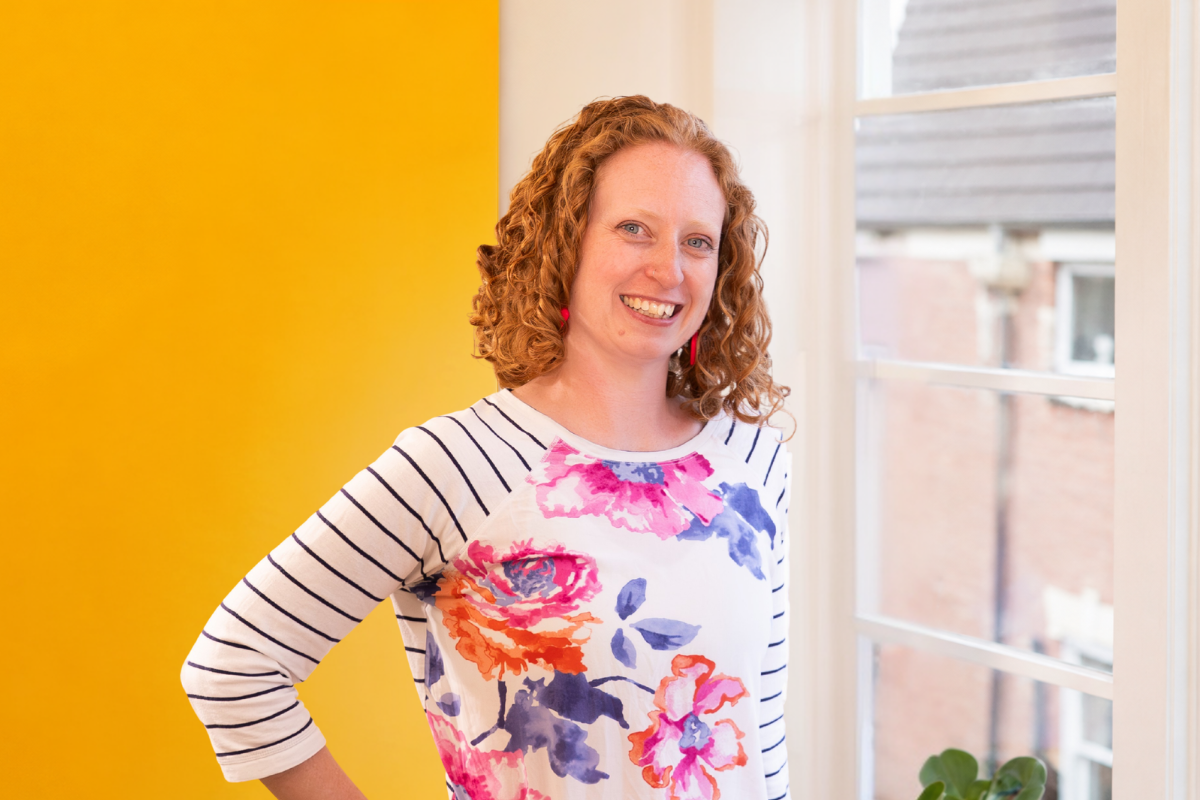
Rachel Stewart is the Director of Blue Leaf Accounting and knows first-hand what it’s like to build a business around a busy life. After more than a decade working in fundraising, she retrained in accounting and started Blue Leaf Accounting. Today, she helps business owners understand their numbers without the jargon or fear.
Want to know more about the team behind Blue Leaf? Find out more about Blue Leaf Accounting.



Comments